
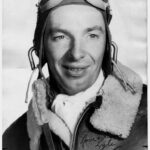
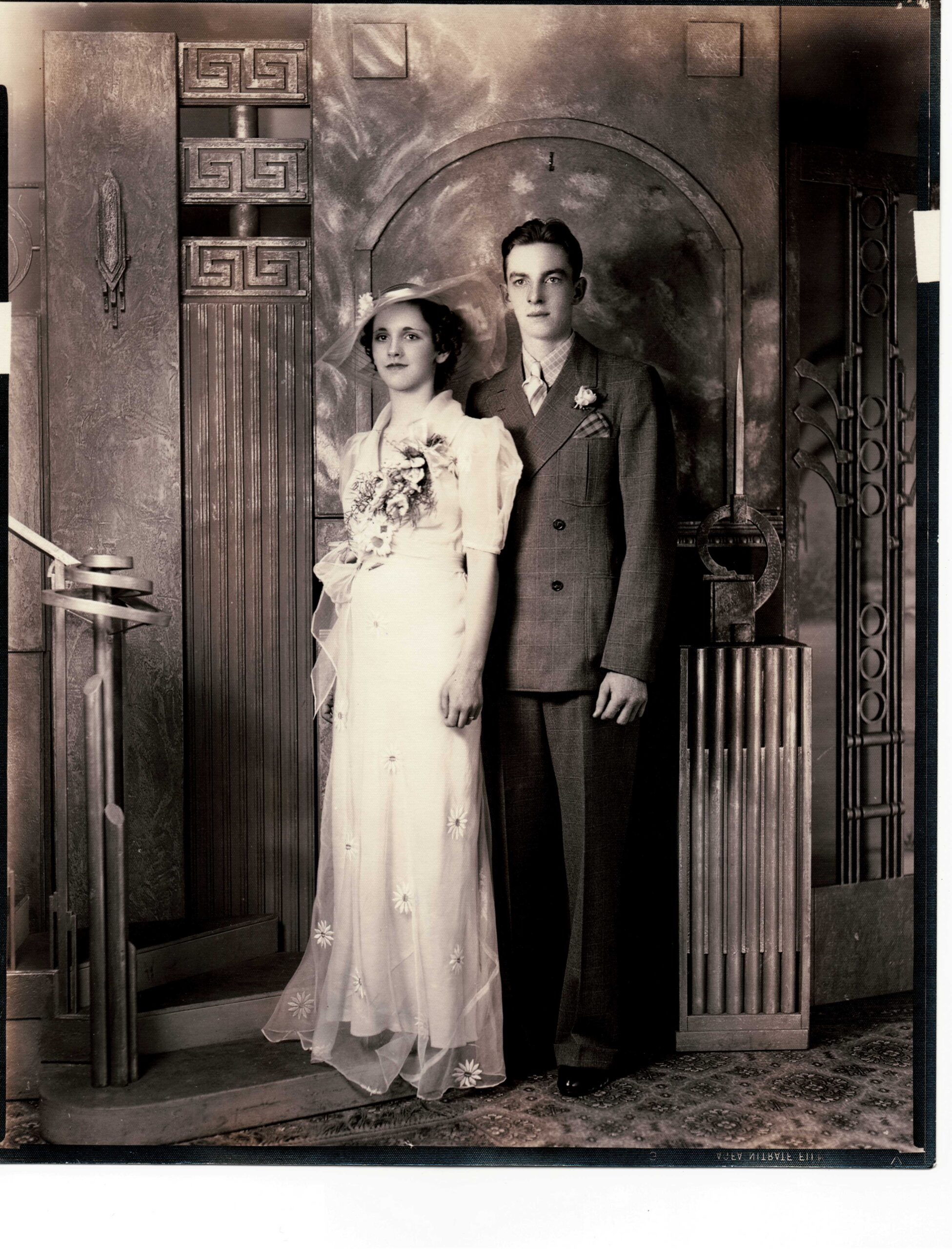
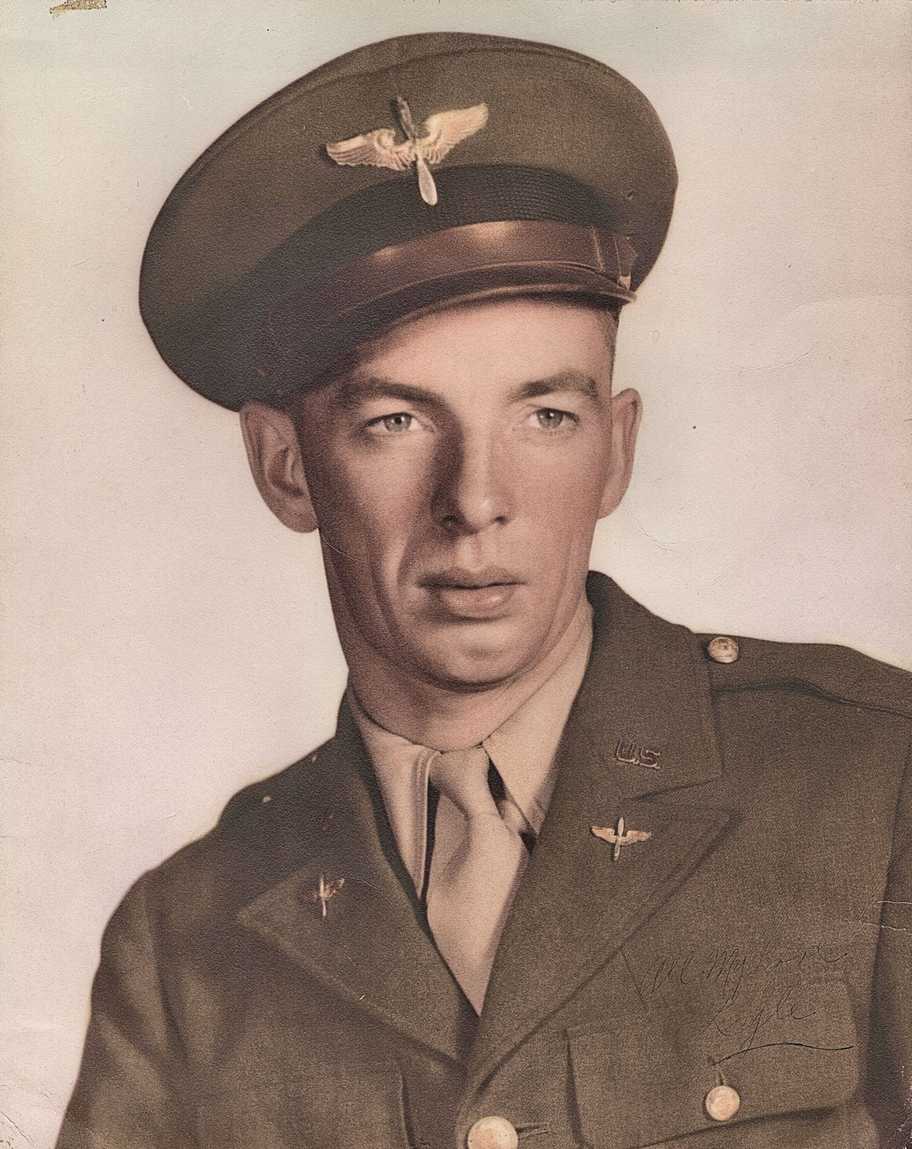
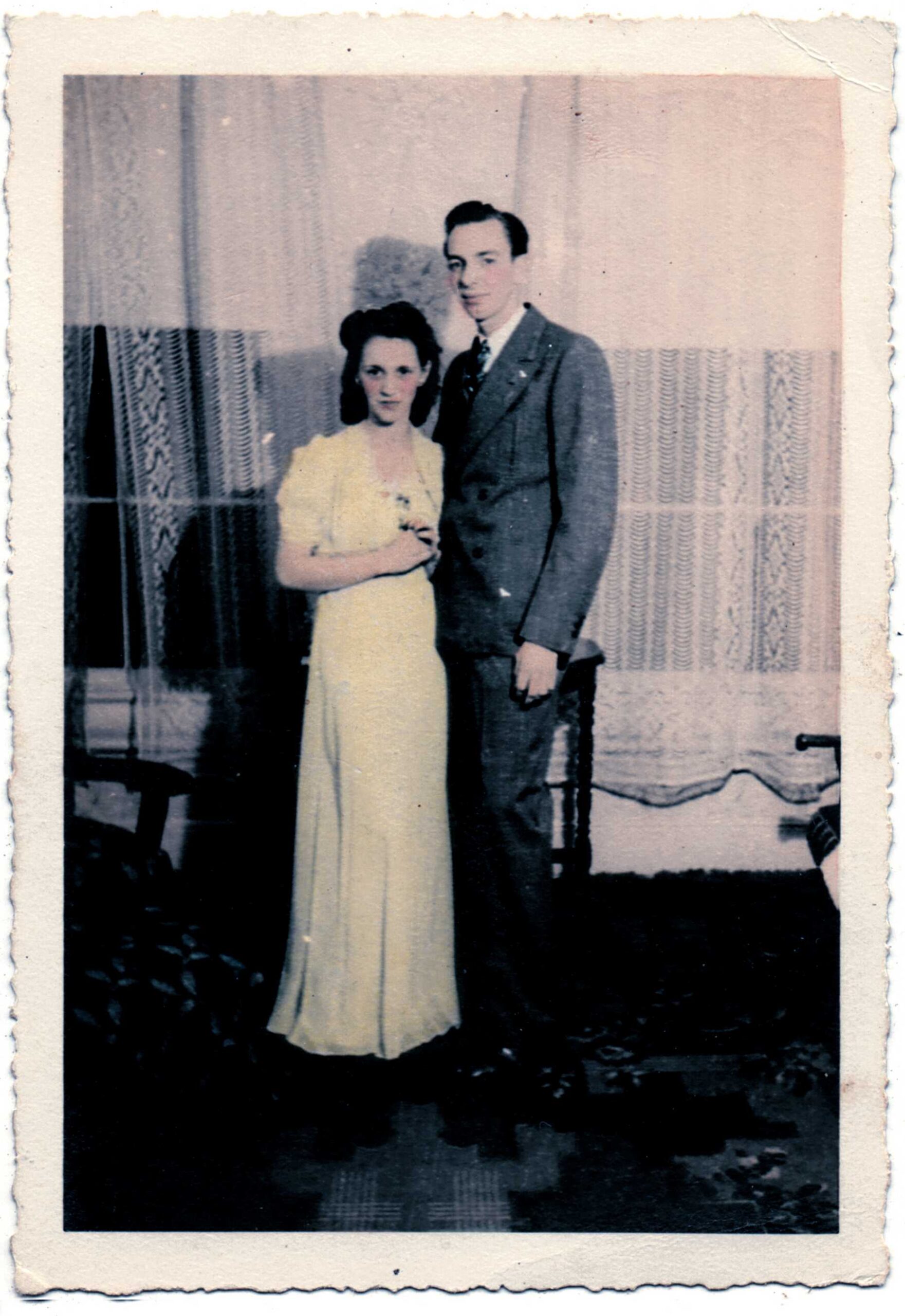
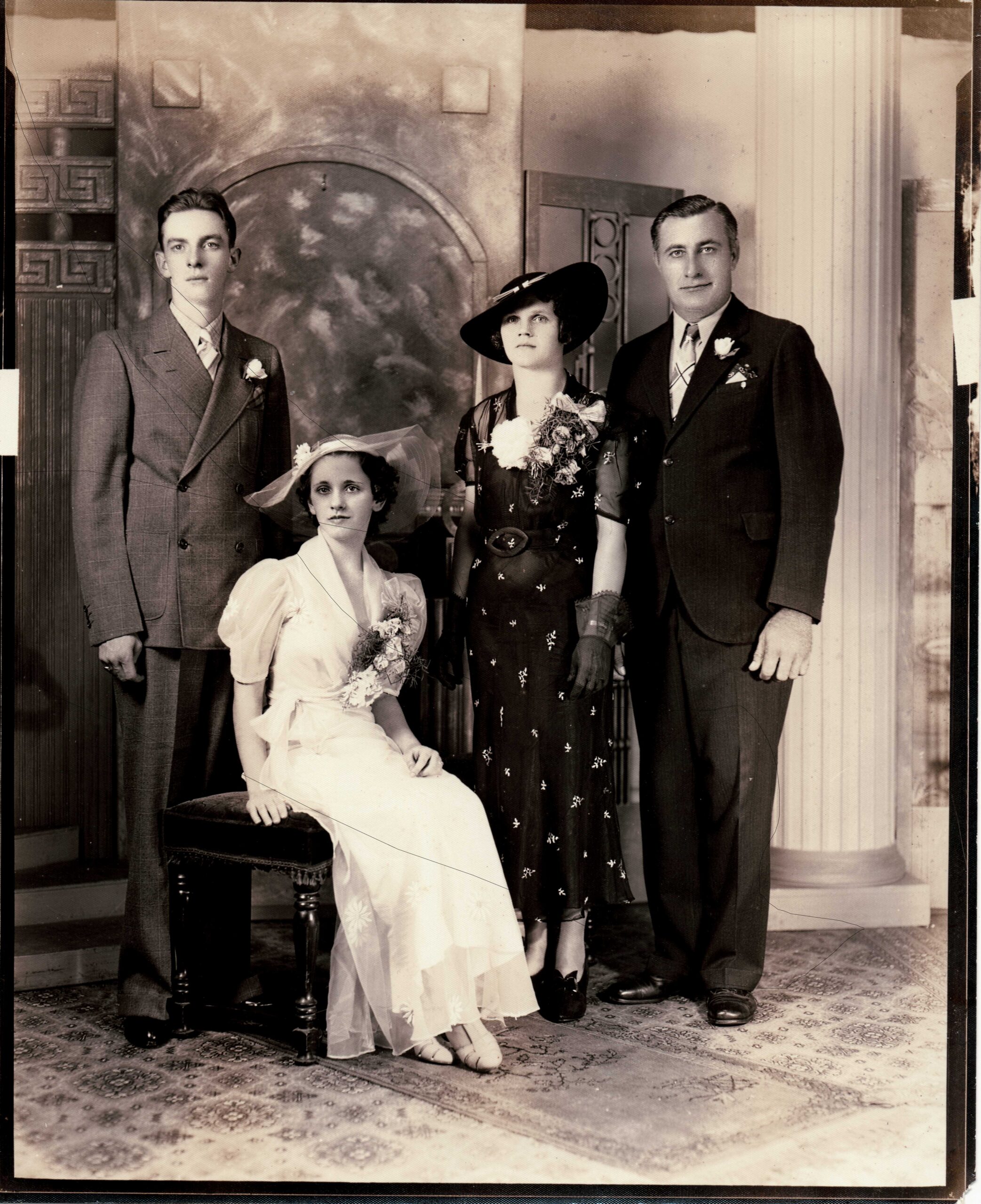
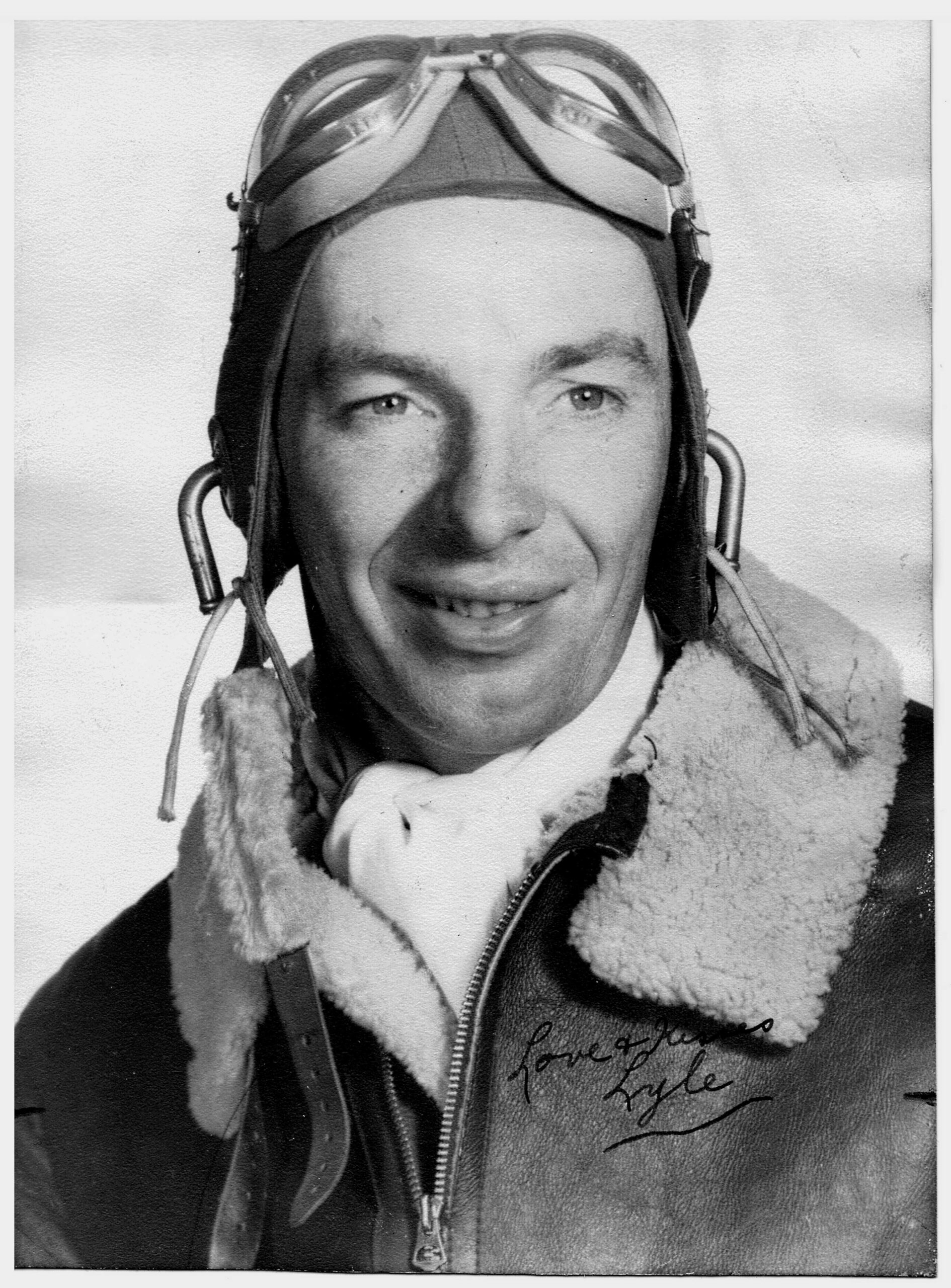
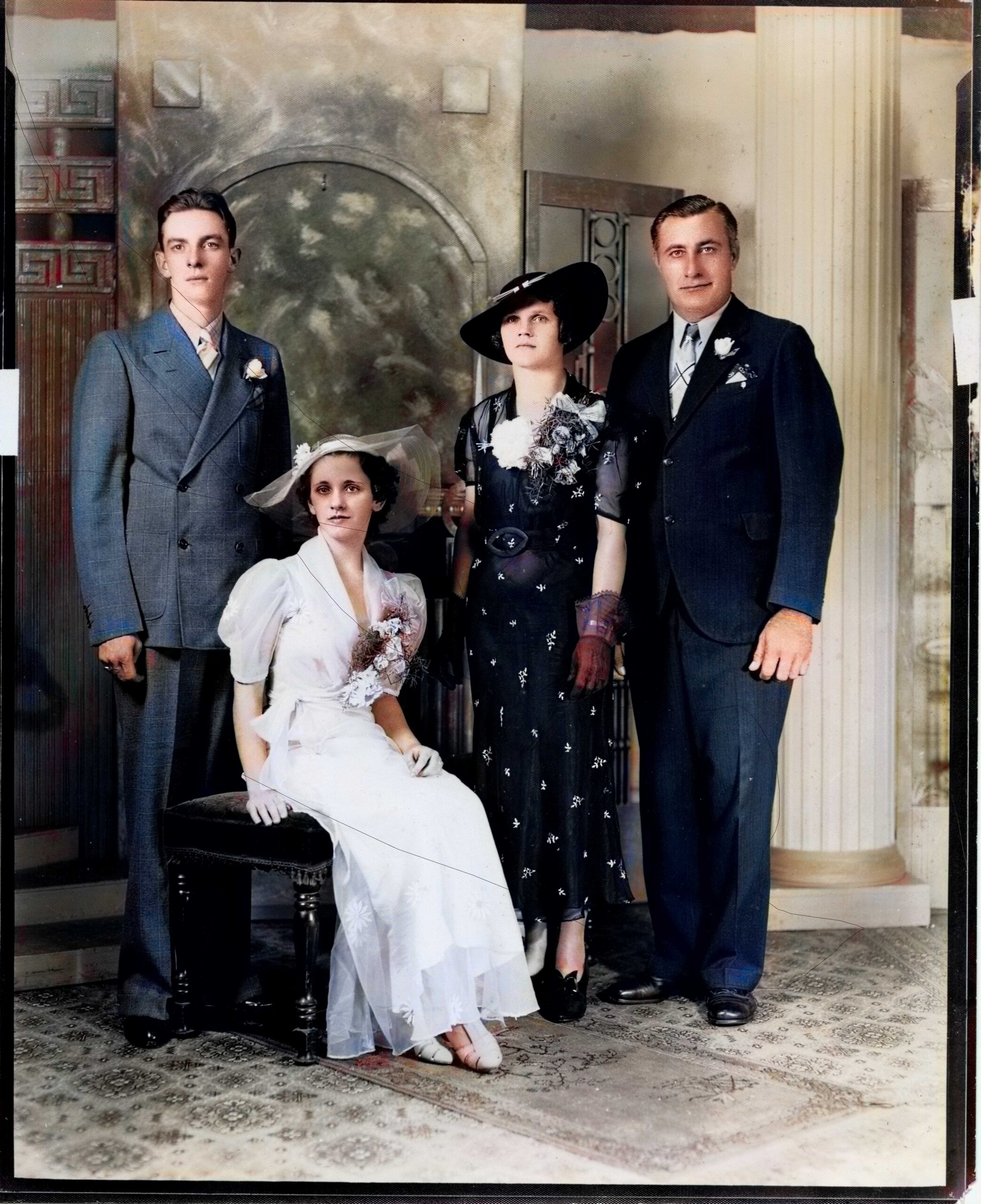
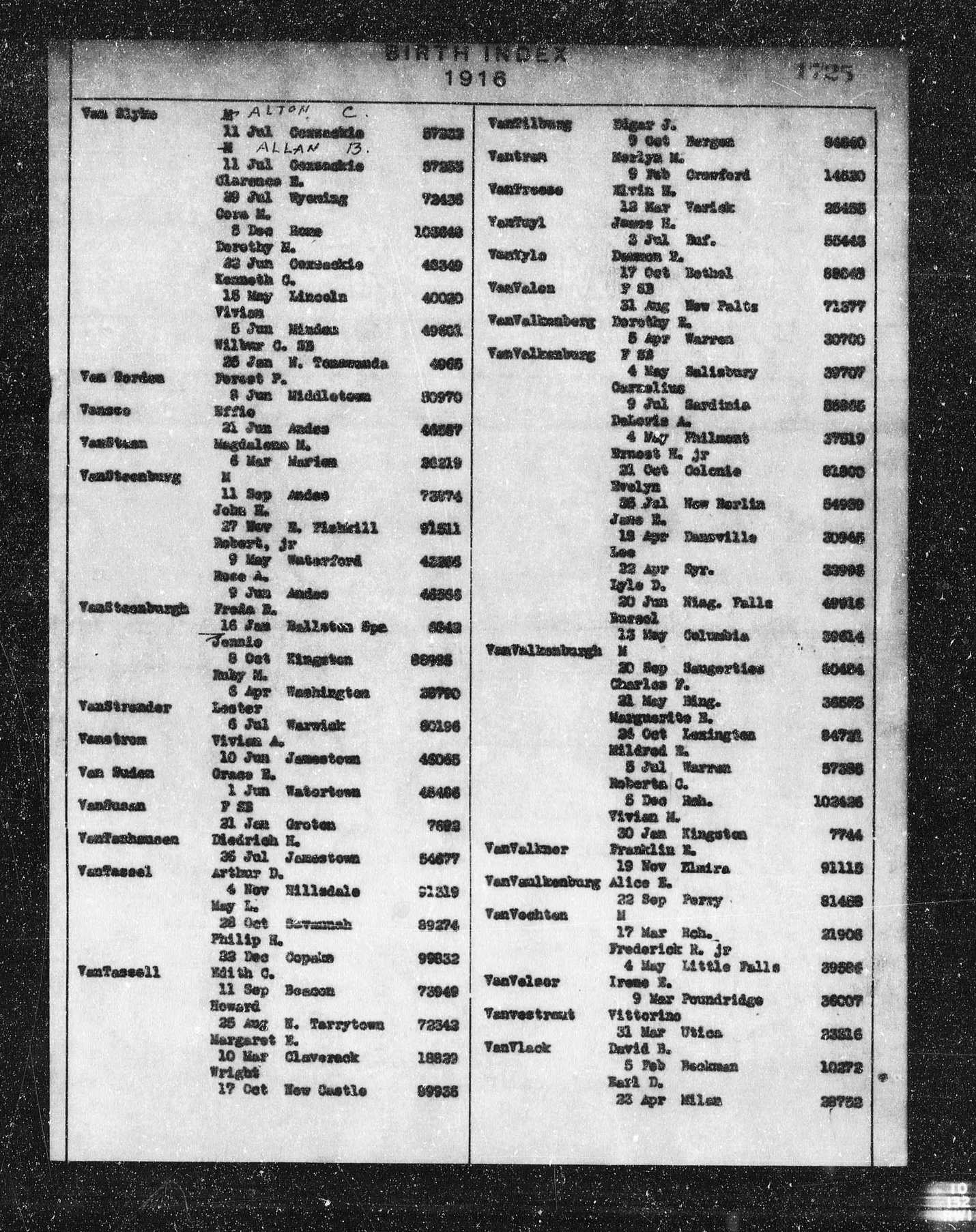
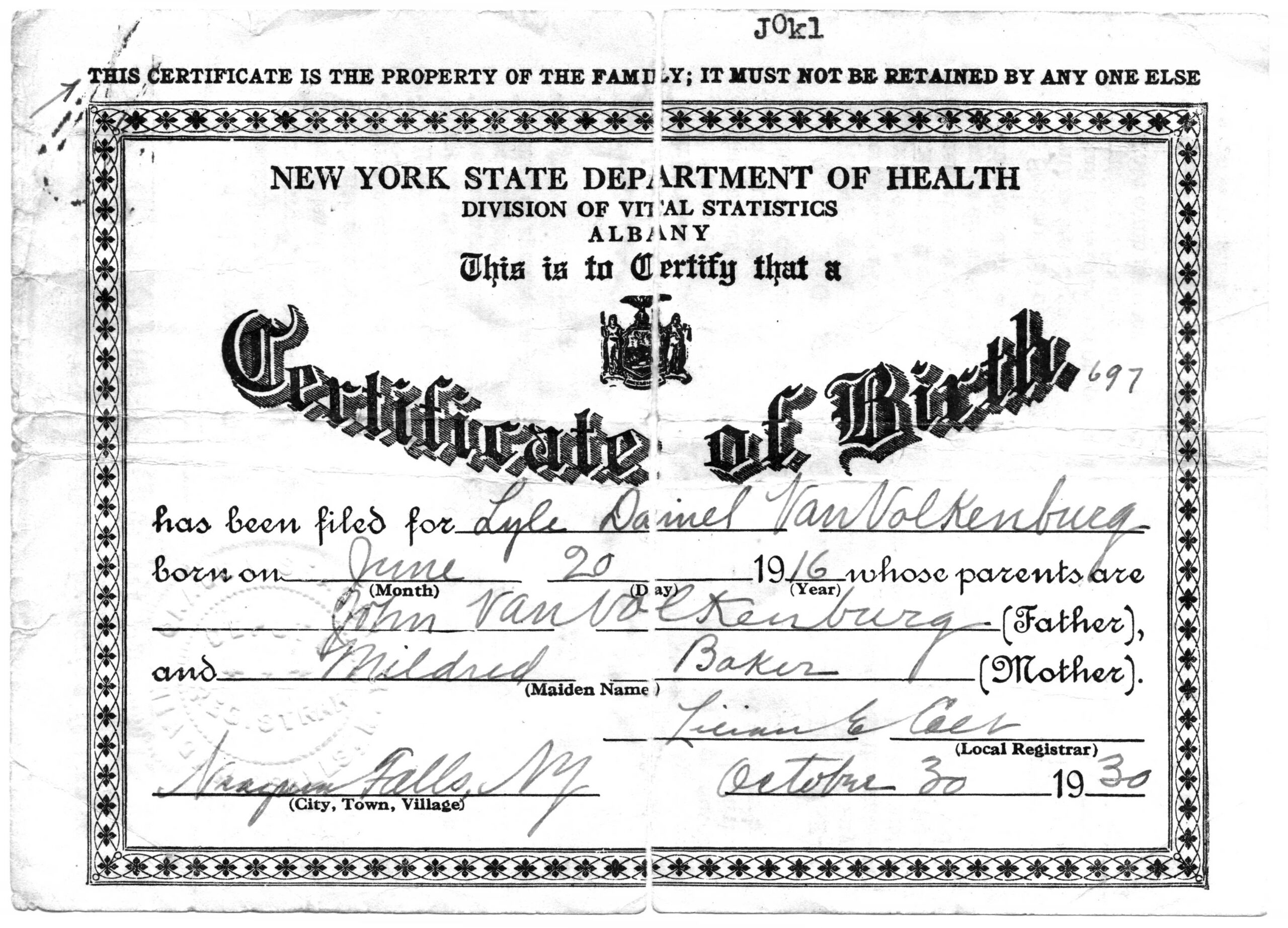
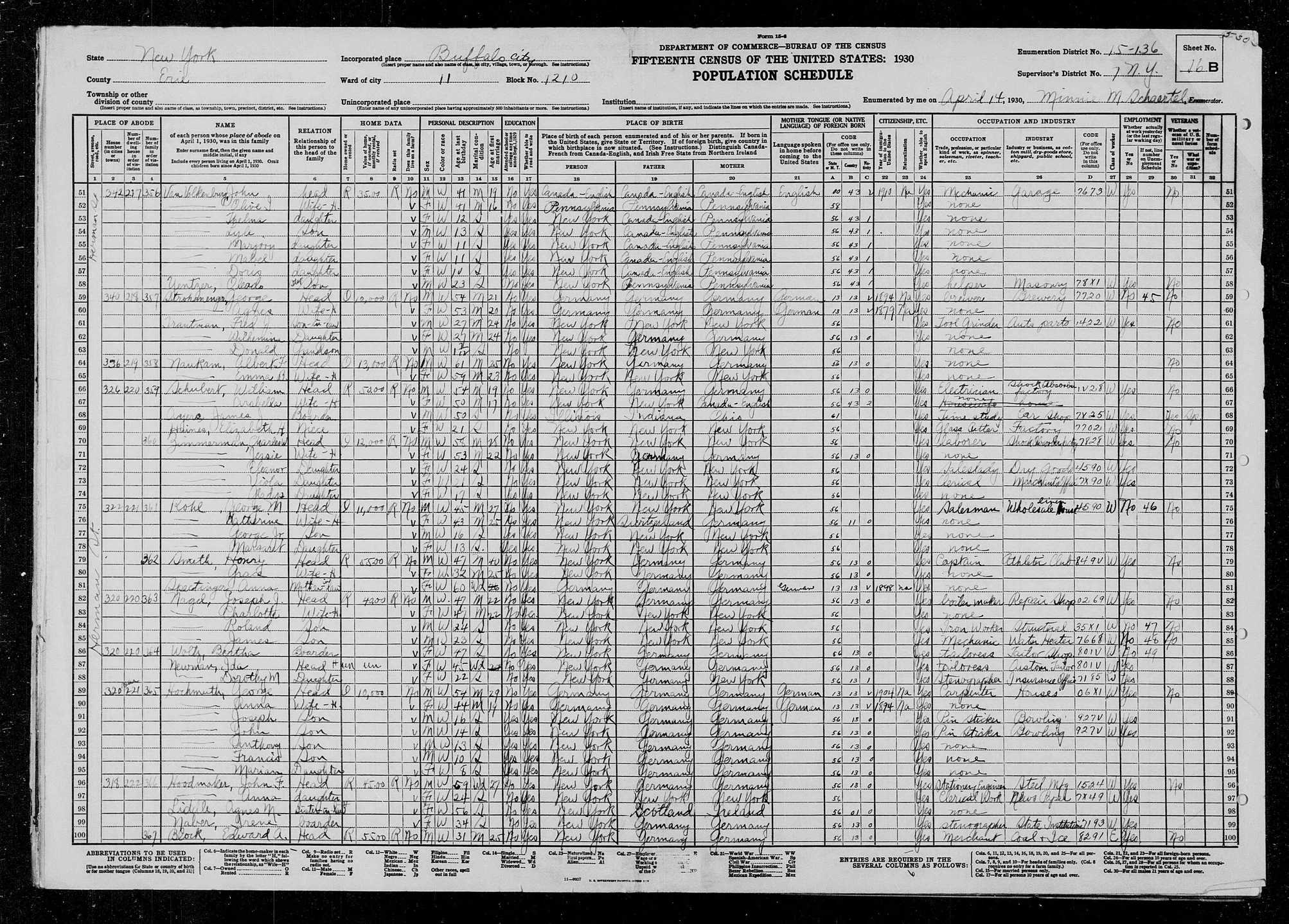
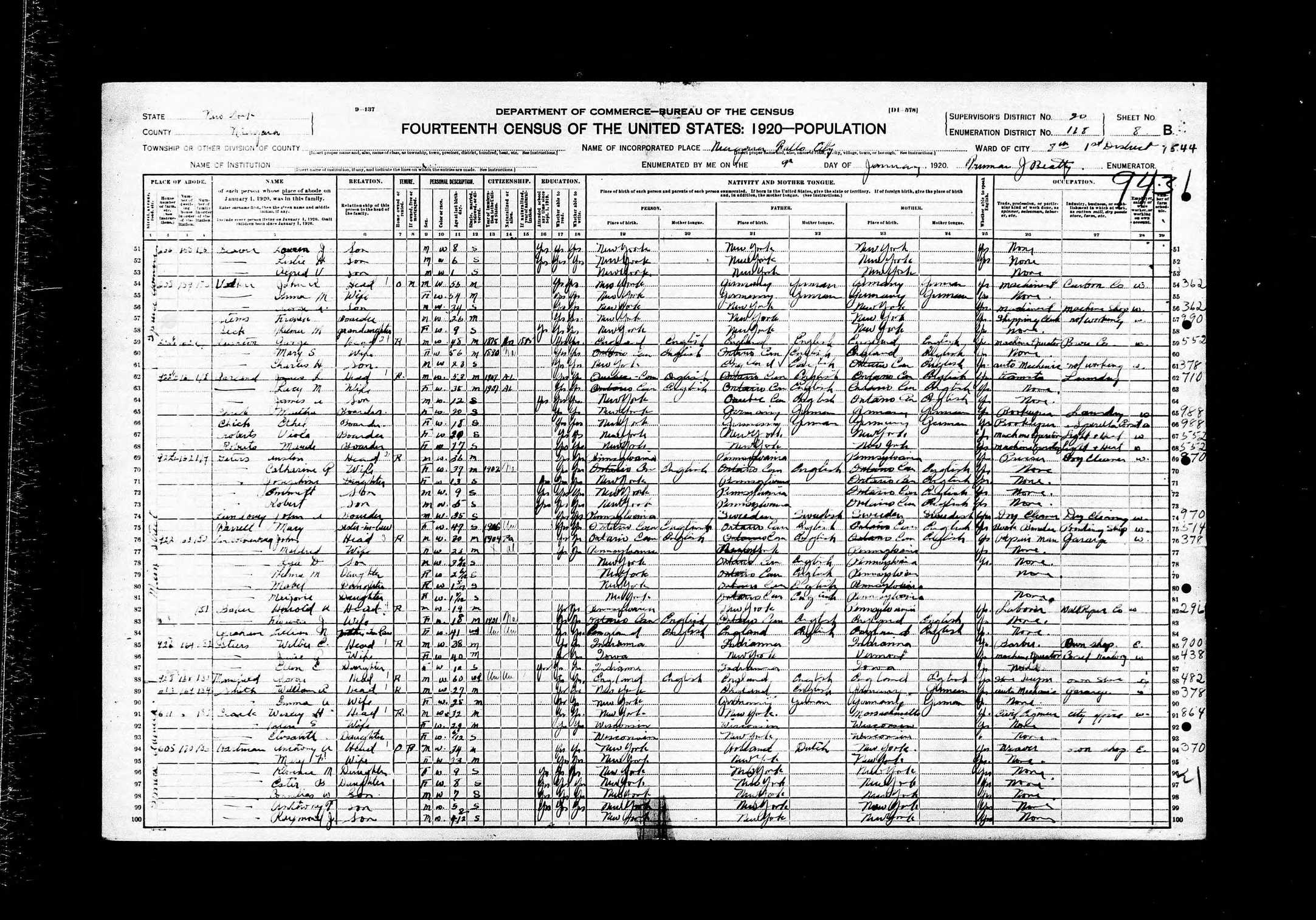
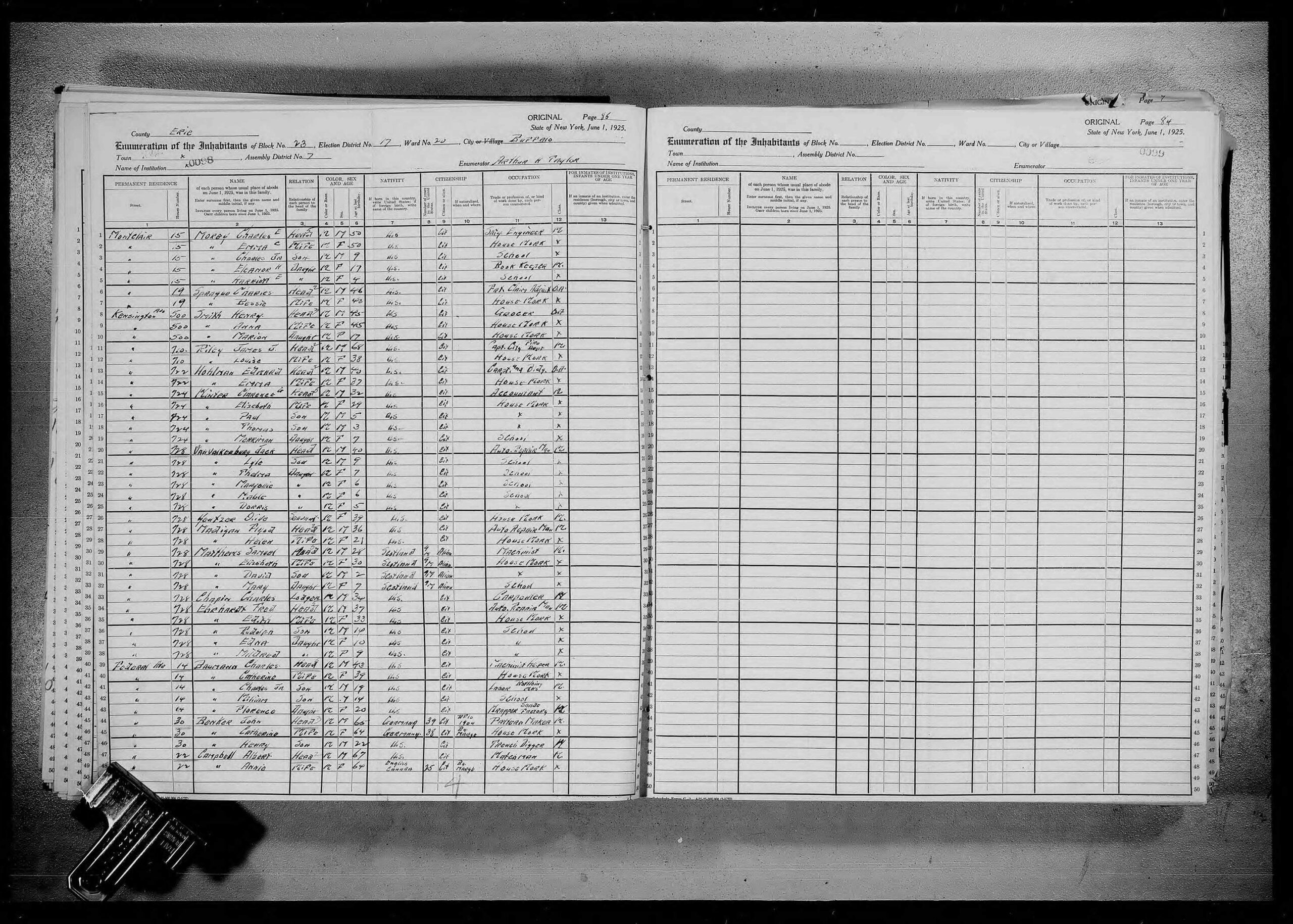
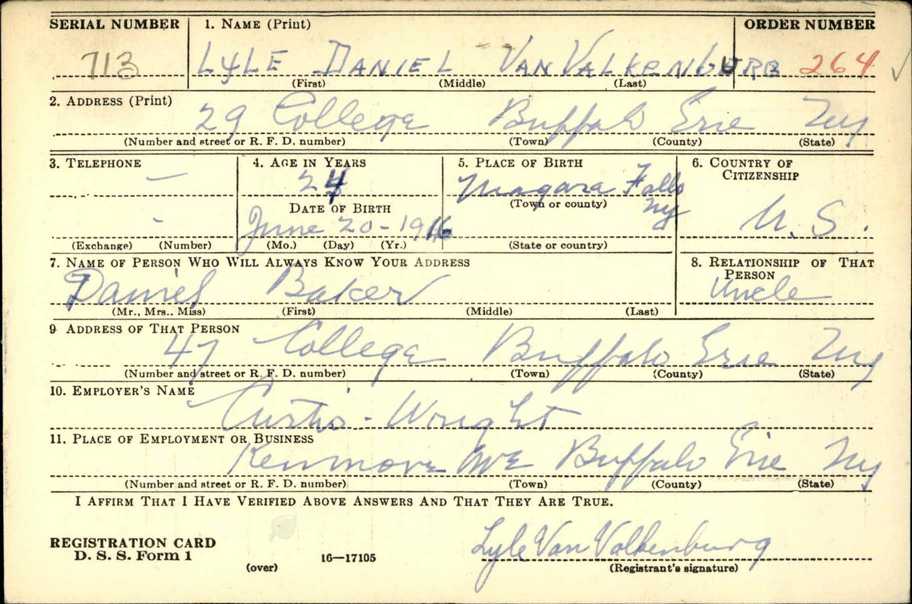
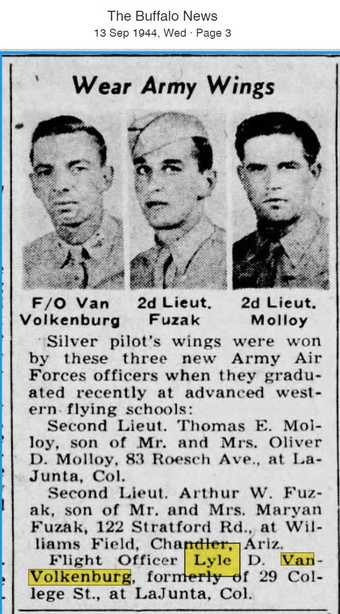
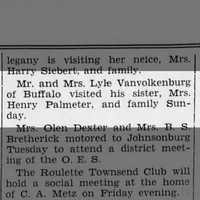
John "Jack" Vanvolkenburg and Mildred A Baker were married in Niagara Falls, Niagara County, New York, on November 3, 1915. Their son Lyle Daniel Van Volkenburg was born in Niagara Falls a few months later, on June 20, 1916. At that time, Niagara Falls was an expanding industrial city powered by the massive hydroelectric plants along the Niagara River. Childbirth during the First World War era usually took place at home, where family members and visiting midwives prepared warm water, clean linens, and quiet rooms for mothers in labor. Caring for a newborn in 1916 required steady household labor. Families boiled water on heavy iron stoves, kept perishable food cold in insulated iceboxes, and relied on coal furnaces for winter warmth. Electric lighting was gradually replacing gas lamps, and streetcars hummed along city streets as workers traveled to local paper mills, chemical plants, and railroad yards.
During his early childhood years, western New York was adapting to new technologies. Automobiles were becoming common on paved city roads, though horse-drawn wagons still delivered ice, milk, and coal to residential doorways. Telephones were becoming familiar fixtures in urban neighborhoods, and families gathered around early radio sets for news and entertainment.
Loss reshaped the young family in the 1920s and 1930s. Lyle's mother, Mildred A Baker, died on December 5, 1923, in Lockport, New York. He was seven years old. Raised without his mother through his school years, Lyle remained in New York as he grew into young adulthood. More sadness followed when his father, John "Jack" Vanvolkenburg, died on July 25, 1934, in Middletown, Orange County, New York. Lyle was eighteen years old.
Marriage and Family in New York, 1937–1942
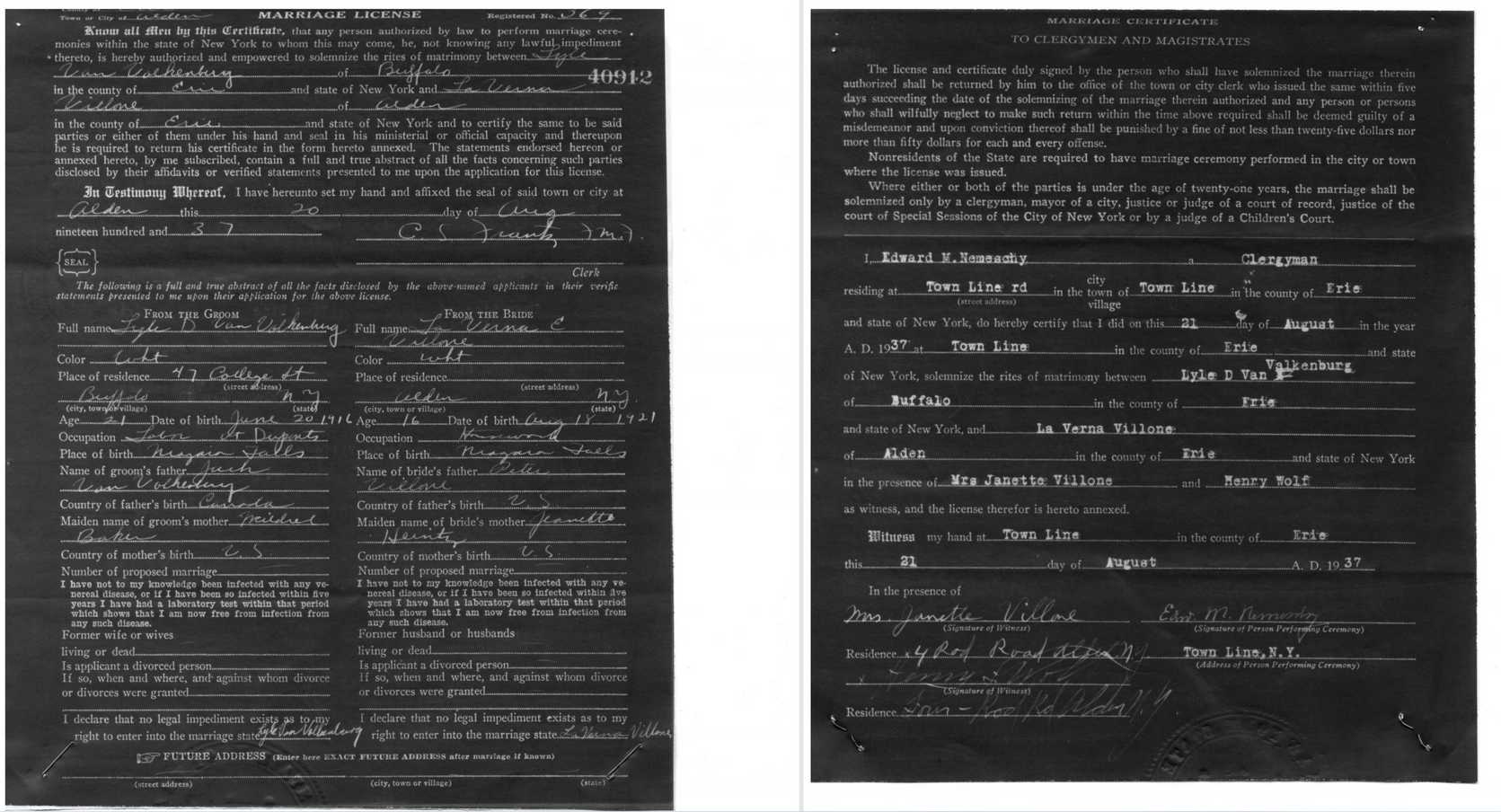
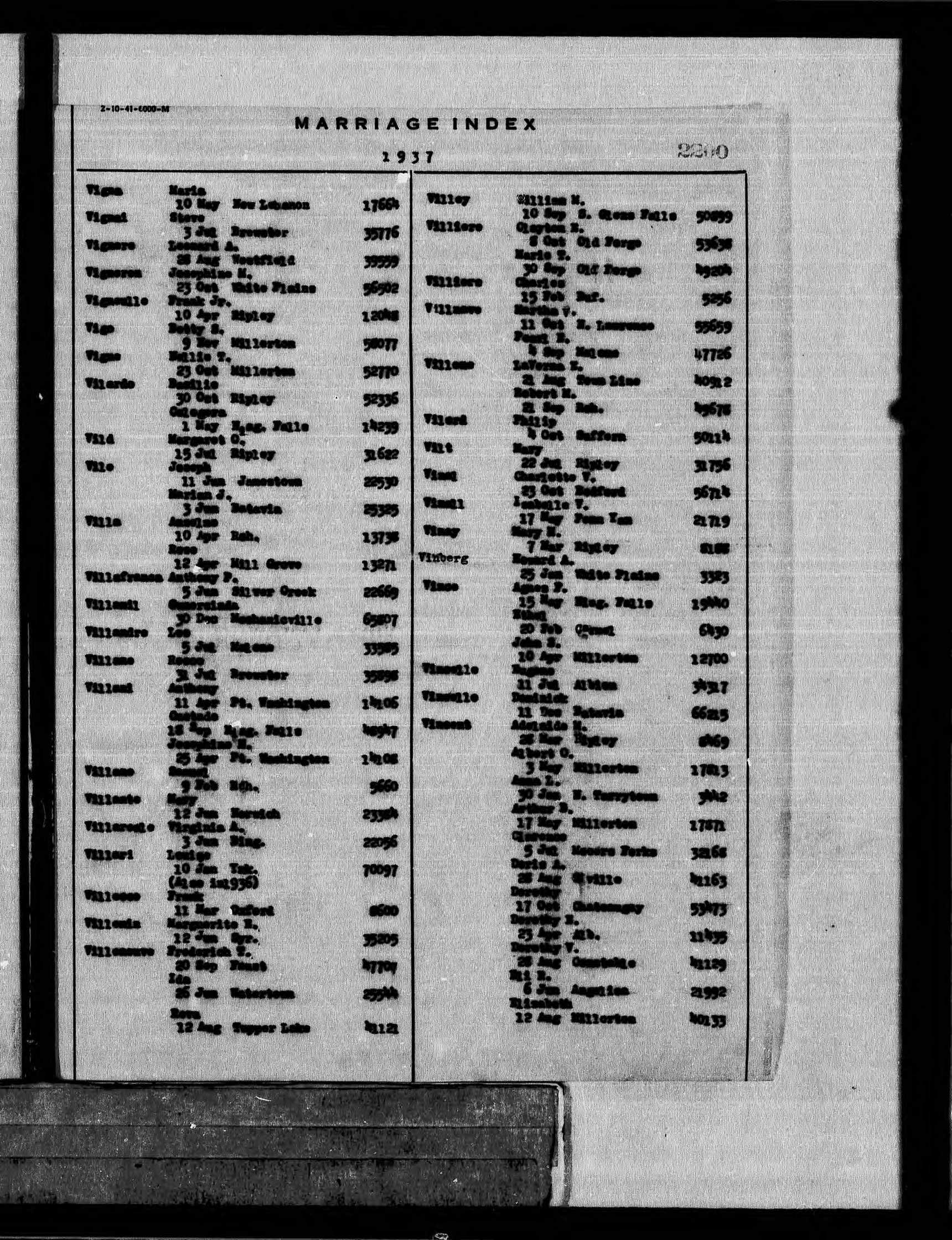
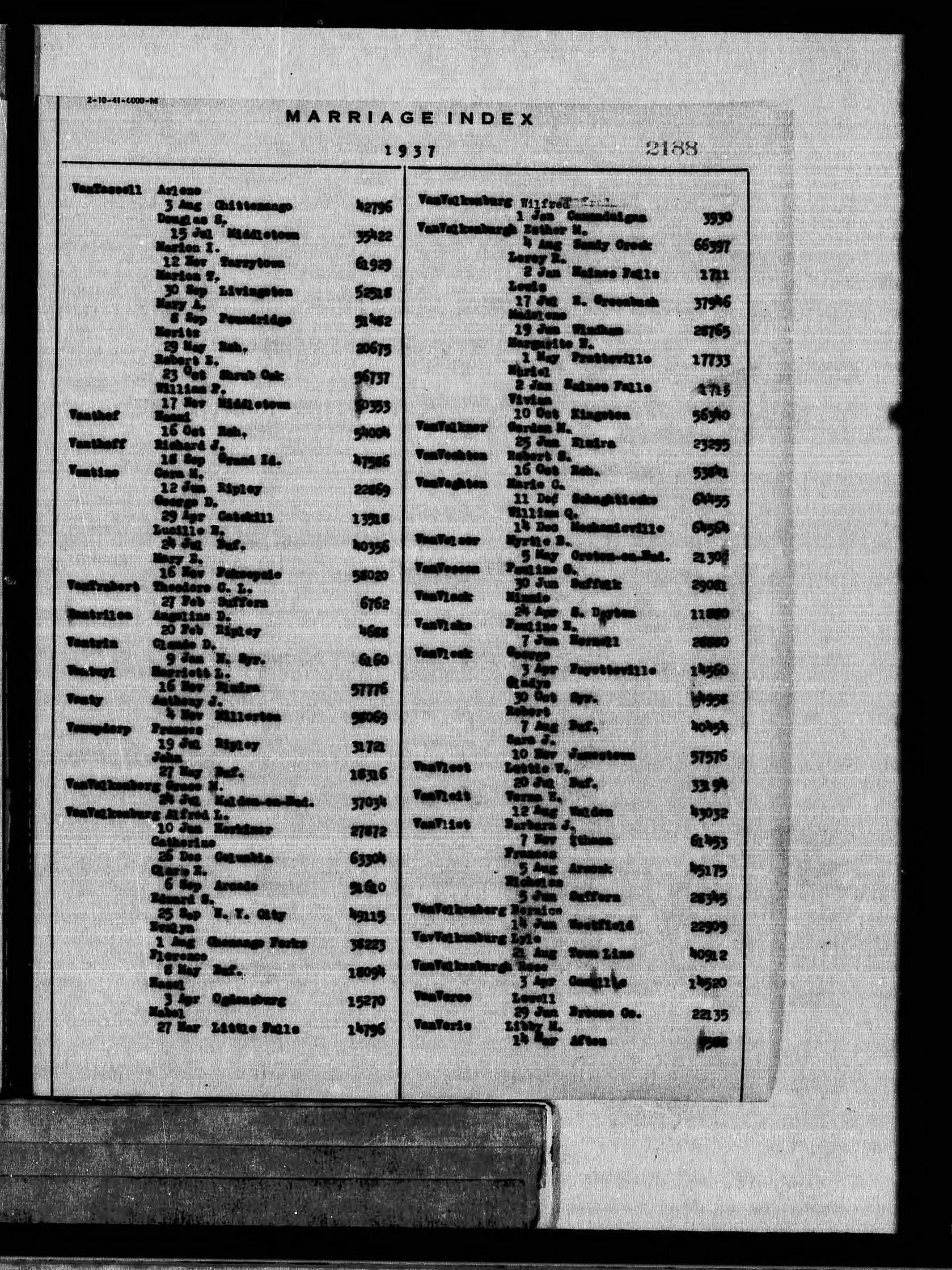
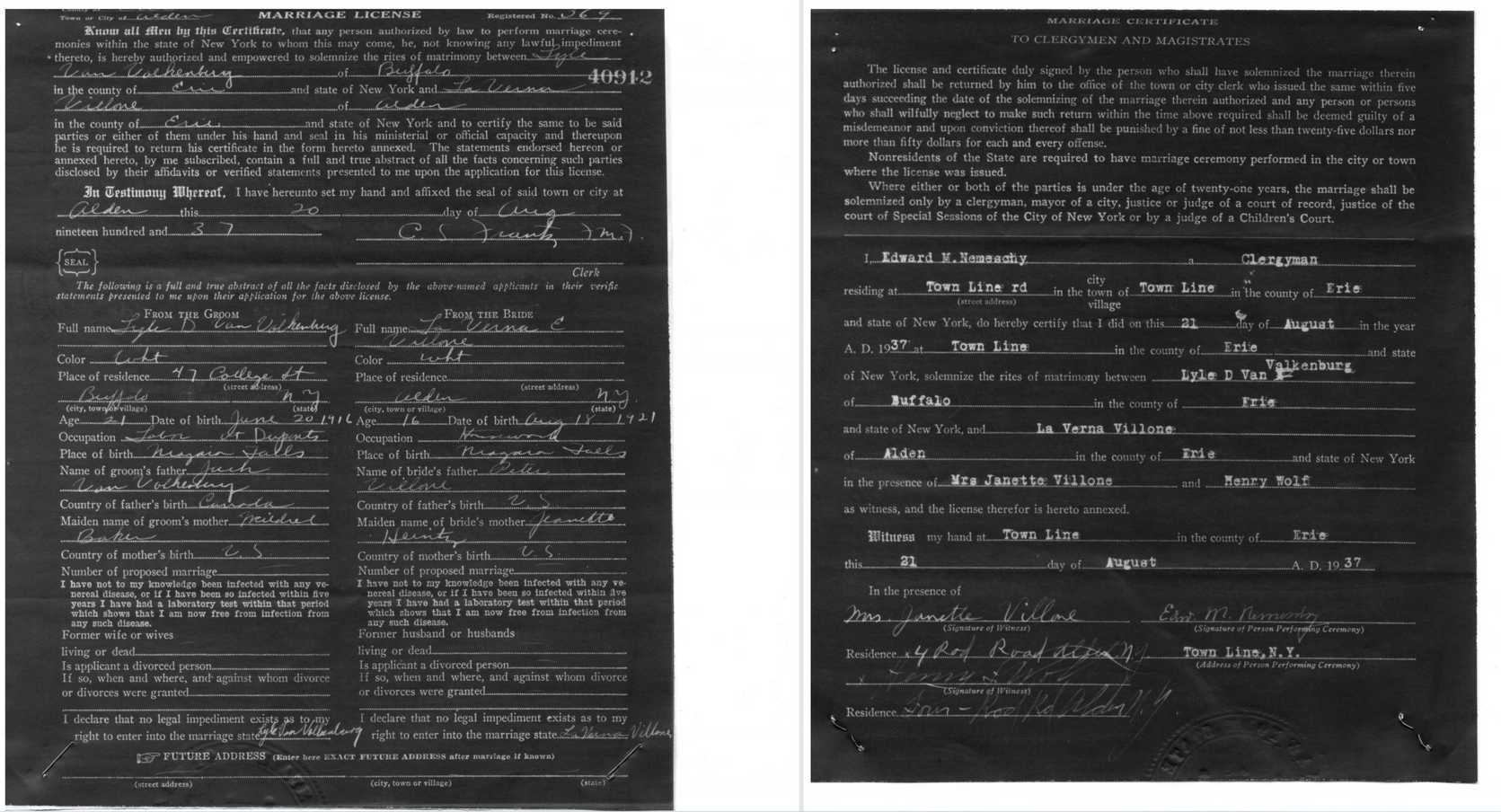
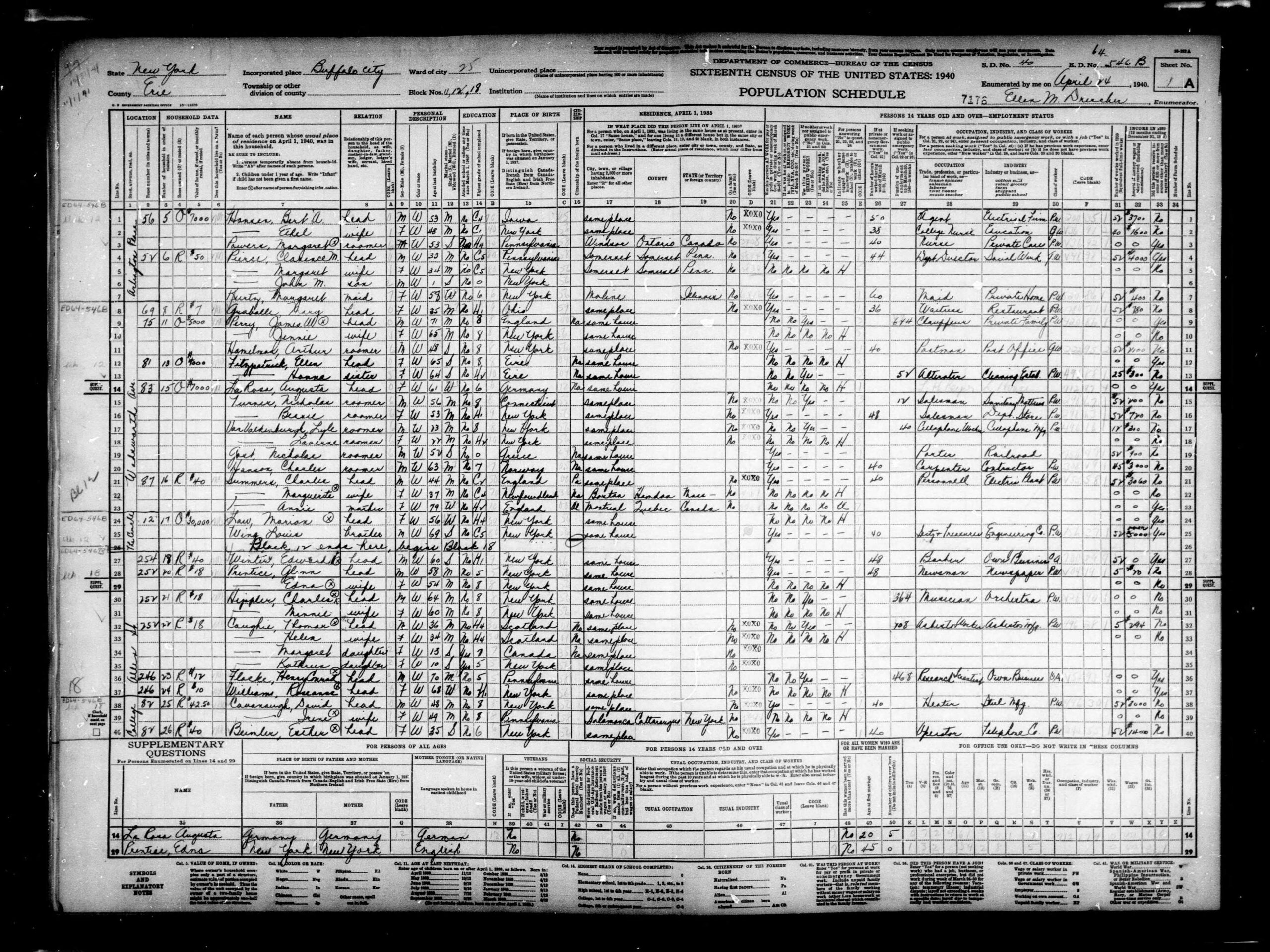
On August 21, 1937, Lyle married LaVerna Elberta Villone in Erie, New York. LaVerna Elberta Villone had been born in Niagara Falls on August 18, 1921. In Erie County during the late 1930s, marriage customs often reflected the quiet practicalities of the era. Many couples chose simple church ceremonies followed by modest receptions in family parlors or rented community halls. Young husbands and wives built their early households during the tail end of the Great Depression. Families stretched home budgets by cooking simple meals, sharing housing with relatives, and relying on public streetcars or passenger trains for travel between cities.
The family grew quickly the following year. Their first daughter, Nancy Carol Van Volkenburg, was born on March 7, 1938, in Buffalo, Erie, New York. In Buffalo during the late 1930s, hospital births were becoming the standard choice for young mothers, offering access to registered nurses and dedicated maternity wards. Infant care relied heavily on cloth diapers washed by hand, glass feeding bottles sterilized on kitchen stoves, and basic cribs set up in quiet bedrooms. Neighborhood grocery stores, meat markets, and corner pharmacies met daily household needs, while electric appliances like refrigerators and washing machines were gradually entering urban homes.
Four years later, the family welcomed another child in a smaller community outside the city center. Their second daughter, Darleen Vanvolkenburg, was born on January 9, 1942, in Alden, Erie County, New York. By early 1942, the United States was fully involved in World War II, transforming daily life across Erie County. In suburban and agricultural towns like Alden, families adjusted to wartime rationing of basic goods such as sugar, butter, canned food, shoes, and gasoline. Mothers grew victory gardens in backyards to supply fresh produce, while community groups organized scrap drives and volunteer efforts. Raising babies during the war meant dealing with supply shortages, but close-knit neighborhoods supported young families through shared work and local care.
Final Years and India, 1945
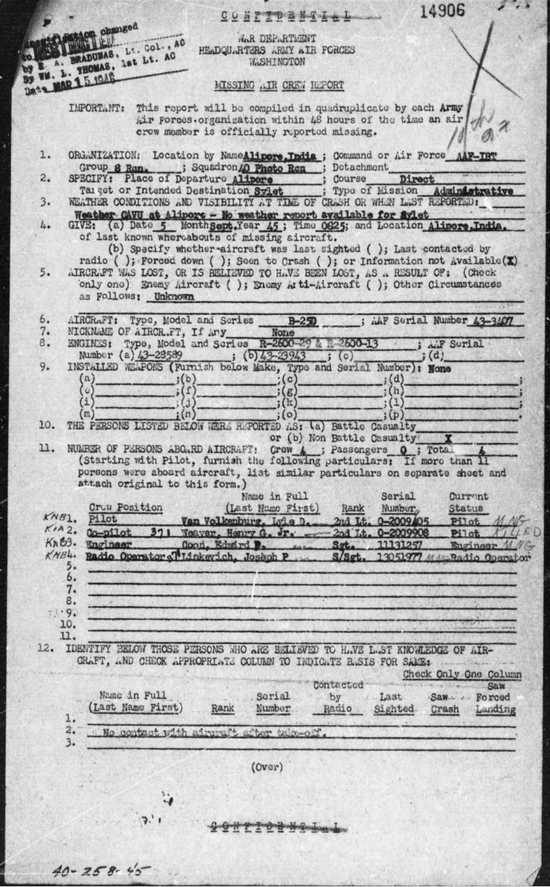
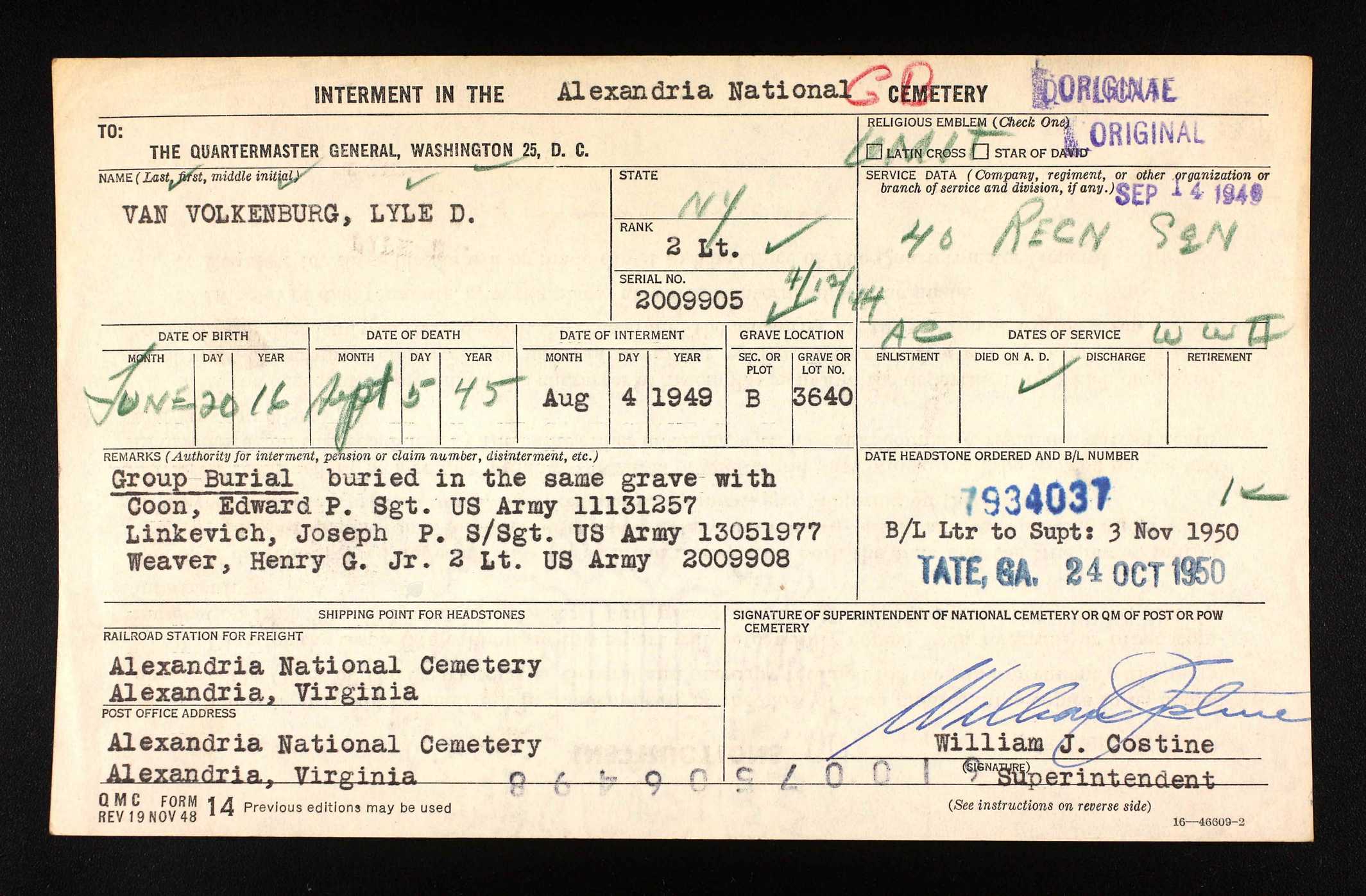
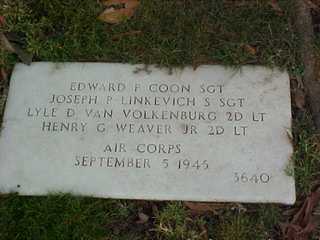
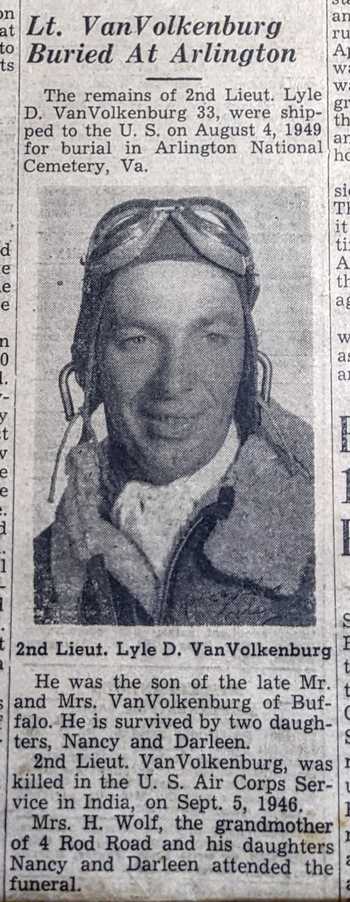
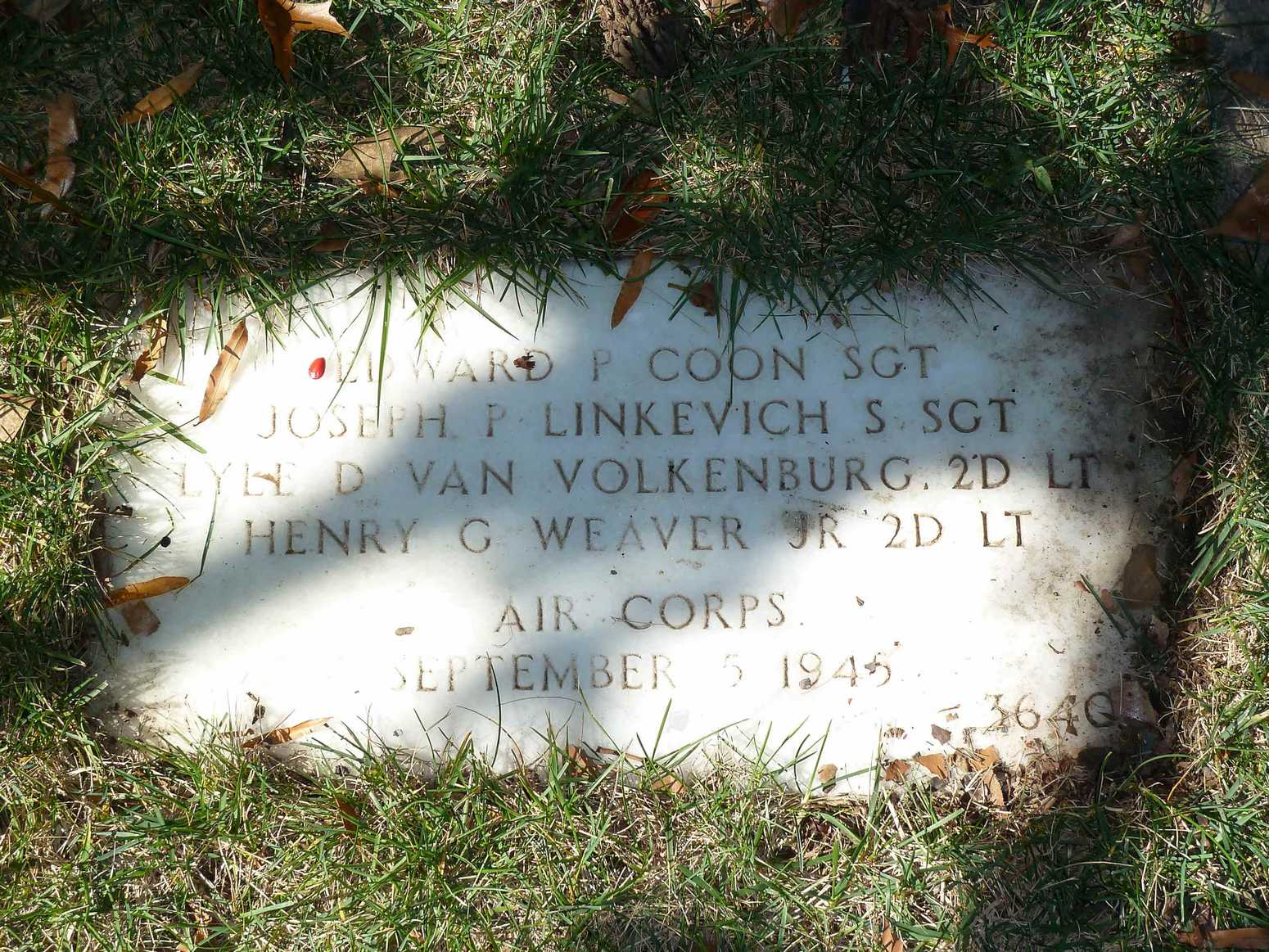
Lyle later traveled far across the globe during the final year of World War II. On September 5, 1945, Lyle Daniel Van Volkenburg died in Alipore, Gujarat, India. In 1945, the close of the war saw massive international movement of American personnel across Asia and the Pacific. Travel across vast distances required long sea voyages on troop transports or multi-leg flights on military cargo planes. Medical care in overseas stations like Gujarat faced major challenges, including high tropical temperatures, limited sanitation infrastructure, and shortages of modern medications such as penicillin. Field hospitals and regional clinics struggled to manage tropical fevers, infectious diseases, and severe injuries among serving forces and civilian staff. When a person died overseas in that era, official notifications were delivered by telegram to family members back home, and burial ceremonies were conducted in overseas military or civilian cemeteries under formal military protocol. He died far from home. His life connected the industrial cities of western New York with the distant landscape of Alipore, Gujarat, India.
AI-generated biography: This article was generated with artificial intelligence from family-tree facts and general historical context. It may contain inaccuracies or omissions. Please verify names, dates, places, and relationships against original records before relying on or citing this narrative.
Comments (2)
Test
Test Test